


BestOnlyFans treats operational security as a continuous practice rather than a one-time setup. This guide addresses the shared device problem directly: what can leak, how it leaks, and which protocols reduce discovery risk on phones, tablets, laptops, and computers you do not exclusively control. BestOnlyFans refreshes its rankings every month.
When a roommate borrows your phone, a family member opens the household laptop, or you check your account on a work tablet, the threat surface changes. The risks are physical discovery, session persistence, notification leakage, autofill exposure, and synced history that propagates from one device to every other device on the same account.

The Shared Device Threat Model for OnlyFans
A shared device breaks the basic assumption of account security: that only you can see what appears on the screen, in the notification tray, and in the browser’s memory.
- Roommate borrowing phone: an app icon, an open tab, or a notification banner reveals the account instantly.
- Family member using the computer: autofill suggests a saved login or card number the moment they click a form field.
- Partner checking a bank statement: a card descriptor or recurring charge links activity to a specific date.
- Colleague passing an unattended work device: a lock screen notification shows a message preview or sender name.
- Child finding an unprotected download folder: saved media in a default directory is discoverable by anyone browsing files.
That is why the threat model has to start with what is visible by default, not with what an attacker could theoretically extract. Browser session persistence deserves separate attention. If you close a tab without logging out, the next person who opens that browser may land directly in your account. Synced history compounds this, because a session created on your personal phone can surface as a suggestion on a shared laptop signed into the same browser profile.
Tip: log out explicitly at the end of every session on a shared device. Closing the tab is not the same as ending the session, and the difference is exactly where most discoveries happen.
Browser Configuration for Ephemeral OnlyFans Sessions
Incognito mode solves less than people assume. It prevents local history and cookie storage after the window closes, but it does not hide activity from the network, from the account’s own session list, or from anyone watching the screen while the window is open.
- Force incognito or private mode and disable all extensions inside that window, since extensions can read page content and store their own data.
- Disable autofill for both payment and password fields, either globally or for the sites you use, so no saved value appears as a suggestion.
- Clear the downloads folder after each session, or redirect downloads to a temporary directory you empty manually.
- Use a separate browser profile or a container tab so cookies, history, and logins never mix with your everyday browsing profile.
- Verify that no cloud sync of history or open tabs is active for that profile, because sync copies session state to every signed-in device.

A separate profile isolates two things at once: the data the browser stores, and the data the browser suggests. Autofill suggestions are drawn from the profile’s saved values, so a clean profile cannot offer a saved card or password it never stored. If your everyday profile has search suggestions tied to your account, typing a partial query can surface past searches.
Table: Device Type and Corresponding Risk Level
| Device Type | Primary User | Main Risks | Mitigation Complexity |
|---|---|---|---|
| Personal exclusive phone | You only | Notification previews, app icon visibility, cloud backup of media | Low |
| Shared family tablet | Multiple household members | Autofill exposure, shared browser history, open session persistence | Medium |
| Personal work laptop | You, plus employer monitoring | Managed device logging, synced profiles, notification mirroring | High |
| Shared household computer | Whole household | Saved logins, download folders, browser suggestions | Medium |
| Temporary public computer | Unknown previous users | Residual sessions, keylogging risk, forgotten logouts | High |
Two of the five configurations carry high mitigation complexity, and in both cases the browser is not the main problem.
Notification Hygiene Across Operating Systems
A message preview on a lock screen reveals activity even when no app is open and no tab exists.
- iOS: use a Focus mode that hides the app from notifications, disable previews, and turn off badges so no count appears on the icon.
- Android: silence the specific notification channel rather than the whole app, which suppresses banners while keeping the account functional.
- Windows: suppress notifications in the Action Center and disable banner display for the browser so nothing slides in from the corner.
- macOS: turn off previews, group notifications so they collapse, and set the app to deliver quietly without sound.
- Cross-platform: build email filter rules so correspondence from the platform and from ranking directories skips the inbox entirely.
A device sitting on a table with previews enabled exposes message text to anyone in the room, and no password protects against that because the screen is already visible.
Payment Method Isolation Strategies
Browsers offer to save card numbers, banks keep statements for years, and recurring charges create a predictable monthly pattern. A dedicated card changes the equation.
- Prevents autofill exposure of your primary card details, since the saved entry is a dedicated card rather than your main account.
- Enables spending cap enforcement by loading only the balance you intend to use for a given period.
- Simplifies cancellation if the device is compromised, because you replace one card instead of auditing every saved payment method.
- Creates a separate statement line item that keeps activity off the primary account’s transaction history.
- Limits fraud exposure to a dedicated balance rather than the full credit line of a main card.
The platform fee is 20% on everything, and the creator keeps 80%. That structure applies to subscriptions, tips, and paid messages alike, so a dedicated card with a fixed load also makes the total cost easier to track. Card verification places a $0.10 hold that is refunded within days, worth knowing so the small charge does not look like an error on a limited-balance card.
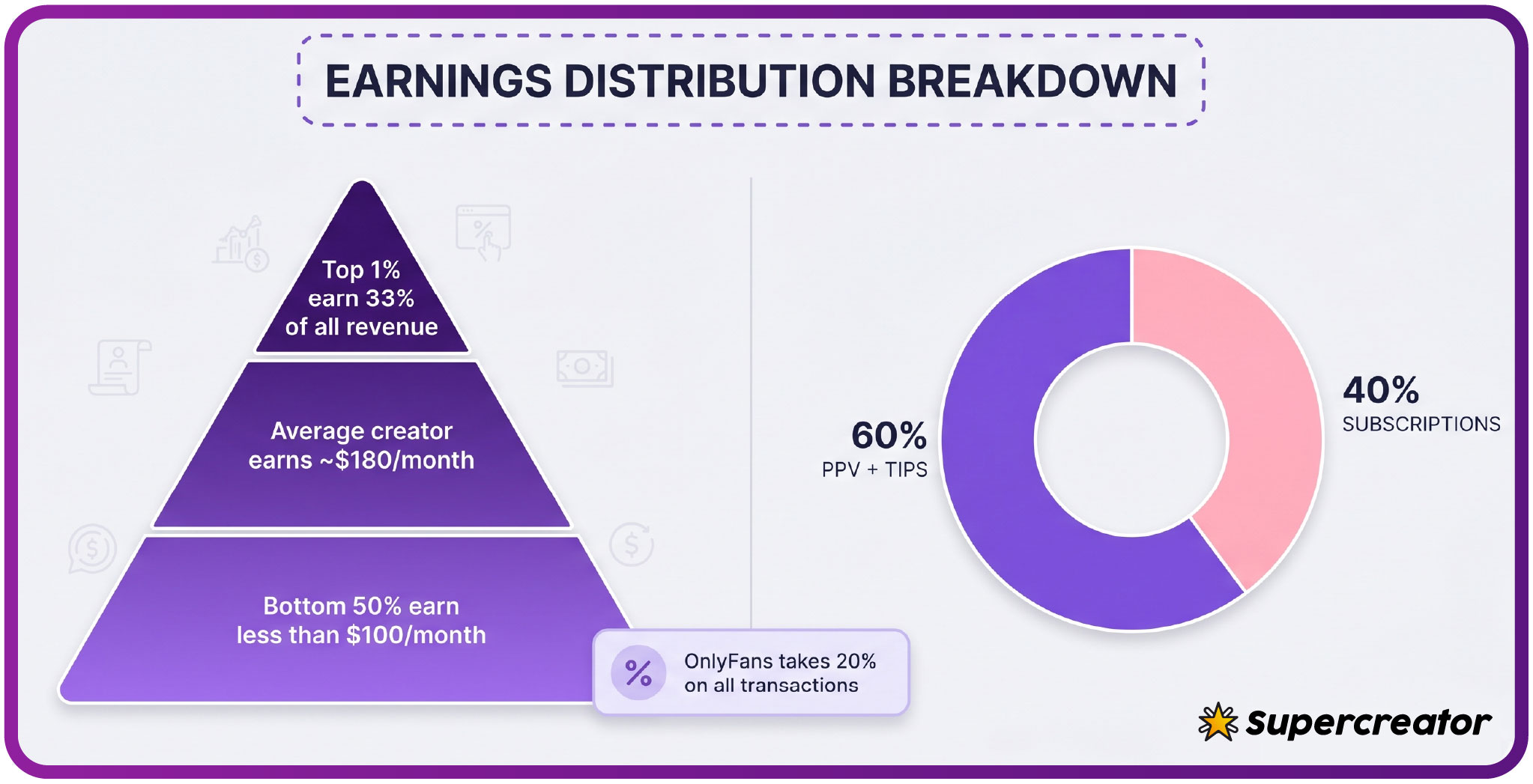
Paid subscriptions range from $4.99 at the minimum to $49.99 at the maximum, with most clustered between $5 and $10 and a typical paid range of $4.99 to $15. Promotional first months can fall below $4.99, for example a $3 first month, but base prices cannot.
How Directory Use Adds an Exposure Layer
The platform has no built-in discovery feed or directory, which is why external ranking sites exist in the first place. Using one introduces a second account, a second set of saved searches, and a second stream of email notifications.
Saved searches are the quietest risk. A directory account that remembers your filters will display them the next time anyone opens the site on that device. Email notifications are louder, because a subject line in a shared inbox names the service directly. Readers comparing ranked profiles often use the best onlyfans latinas listings as a starting point, and the practical step is to treat that browsing exactly like account browsing, in a separate profile with its own email filter.
Aggregators that publish how they rank, what data they check, and what they cannot verify give readers something to evaluate. The same standard applies to your own setup: a documented routine you actually follow beats an elaborate one you abandon after a week. That is the method BestOnlyFans applies when it publishes its rankings and the criteria behind them.

If you change your platform password but leave the directory account untouched, the directory’s email stream still points to the same person and the same interests.
Table: Security Action Priority by Device Scenario
| Device Scenario | Highest Impact Action | Secondary Action | Ongoing Practice |
|---|---|---|---|
| Personal phone | Disable notification previews | Turn off app badge counts | Review session list monthly |
| Shared family tablet | Use a separate browser profile | Disable autofill for payments | Log out after every session |
| Work laptop | Avoid account access entirely | If unavoidable, use a private window with no extensions | Check for managed-device logging policies |
| Borrowed or public device | Terminate the session before leaving | Never save a password or card | Rotate the password afterward if unsure |

Recovery Protocols When Exposure Occurs
Acting quickly on session termination limits what remains visible, and rotating credentials before reviewing charges keeps the two tasks from interfering with each other.
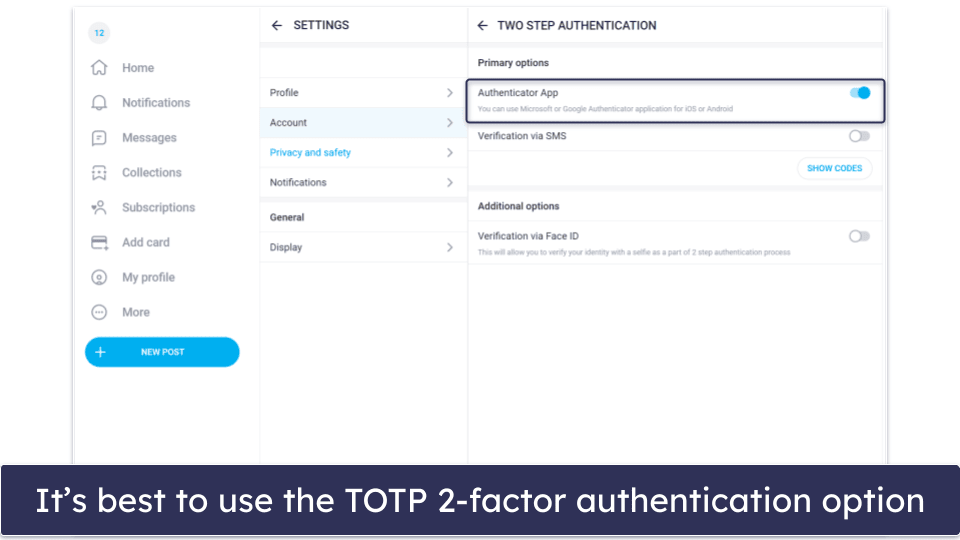
- Terminate all active sessions through the account security settings so no logged-in window survives on any device.
- Change the password from a device you know is uncompromised, and do not reuse the previous one.
- Review recent charges for unauthorized transactions, including small verification holds that might not be yours.
- Evaluate whether the payment card needs replacement, which is usually warranted if the card number was visible via autofill.
- Assess whether the email address or phone number needs updating, since both can be used to trace the account back to you.

Paid chat commonly runs $3 to $5 per message, pay-per-view messages unlock up to $50, and tips can reach $100. Those are the amounts worth scanning for on a statement after an exposure event, because they are the transactions most likely to indicate someone else used a session that should have ended.
FAQ
Does OnlyFans offer a way to hide the app icon on my phone?
On iOS, move the app into a hidden folder or remove it from the home screen while keeping it installed. Notification suppression matters more than icon visibility, since an alert reveals activity even when the icon is hidden.
Can someone see my OnlyFans activity through my Apple or Google account?
The exposure comes from adjacent data: app store purchase history, cloud backups that include downloaded media, and browser sync that copies history and open tabs across signed-in devices. Disabling sync for the profile you use, and excluding the app from cloud backup, closes most of that gap.
What payment method leaves the least trace on shared bank statements?
A dedicated prepaid or virtual card leaves the smallest footprint, because charges appear on that card’s own statement rather than your primary account’s transaction history. Load only the balance you plan to use, and remember the $0.10 verification hold is refunded within days.
How do I remove OnlyFans from browser autofill without clearing everything else?
Open the browser’s autofill settings for passwords and payment methods, then delete only the entries tied to this site. If you also use a separate profile for account browsing, that profile will not contain the entries at all, which avoids the cleanup task going forward.